Heart Month Spotlight: Cardiovascular Data Specialist, Stephanie Needham
by Raiili Pellizzari
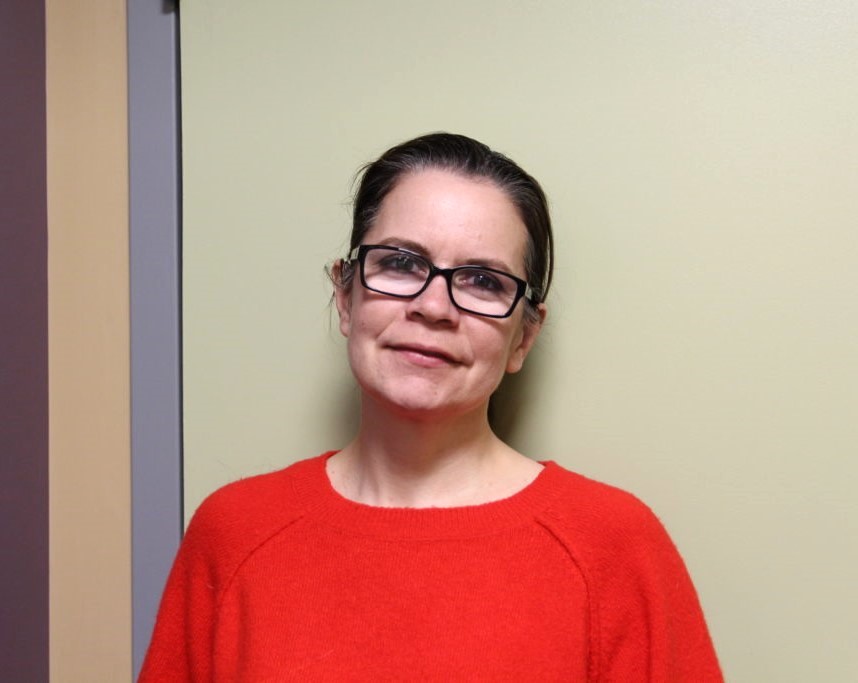 Stephanie Needham, a Cardiovascular Data Specialist at Thunder Bay Regional Health Sciences Centre (TBRHSC).
For Heart Month, we caught up with Stephanie Needham, a Cardiovascular Data Specialist at Thunder Bay Regional Health Sciences Centre (TBRHSC), to get an inside look at the work the data team does and what makes their roles truly special.
Why did you decide to become a part of the Cardiovascular Services Data team?
The team of three consists of two registered nurses and one data analyst with a background in data analytics. We each came into the health care data world a bit differently.
For myself, I started from a cardiovascular surgery referral and procedure management aspect. I quickly saw the challenges posed when data was inconsistently collected or poorly understood, resulting in data quality issues affecting reporting outcomes. Understanding the data (including its limitations), what it is needed for, or how it will be used, is so important.
Tell us about your role.
We work to ensure the collection and analysis of quality data. The data is used internally for operational purposes (volumes, wait times, referral patterns, etc.) and externally to meet provincial reporting requirements (i.e. provincially mandated data collection by Ontario Health / CorHealth). We work closely with other departments at TBRHSC in Health Records and Decision Support to strengthen the data available as a whole. We also participate in a quality database for the Vascular program — the Society for Vascular Surgery Vascular Quality Initiative (VQI), which is an international registry program designed to improve the quality, safety and effectiveness of vascular care through benchmarking, long-term follow-up and regional quality improvement, with an overall aim of improving patient outcomes.
What is the most challenging part of your job?
One of the most challenging aspects of this work is taking the information out of the existing systems that staff utilize everyday and making it useful for administrative and operational purposes. We work hard to streamline processes and to minimize duplication in data collection for staff. We also work to ensure that data is replicable. The importance of understanding differences across available datasets both within the Hospital and outside is key when planning for the future.
What is the most rewarding aspect of your profession?
There are many rewards but in particular, when the data and associated information we provide is utilized to support discussion, decision making and quality improvement, to improve Hospital services and ultimately, the care provided to patients and families.
Any advice for those considering a career in health care?
Health care is diverse and has a great deal to offer, especially if you look beyond some of the more traditional roles. There is a great deal happening all the time behind the scenes to support the system and those on the front lines in the provision of exceptional care for every patient, every time.