What Happens After Your Screening Mammogram?
by Jasmin Fisher
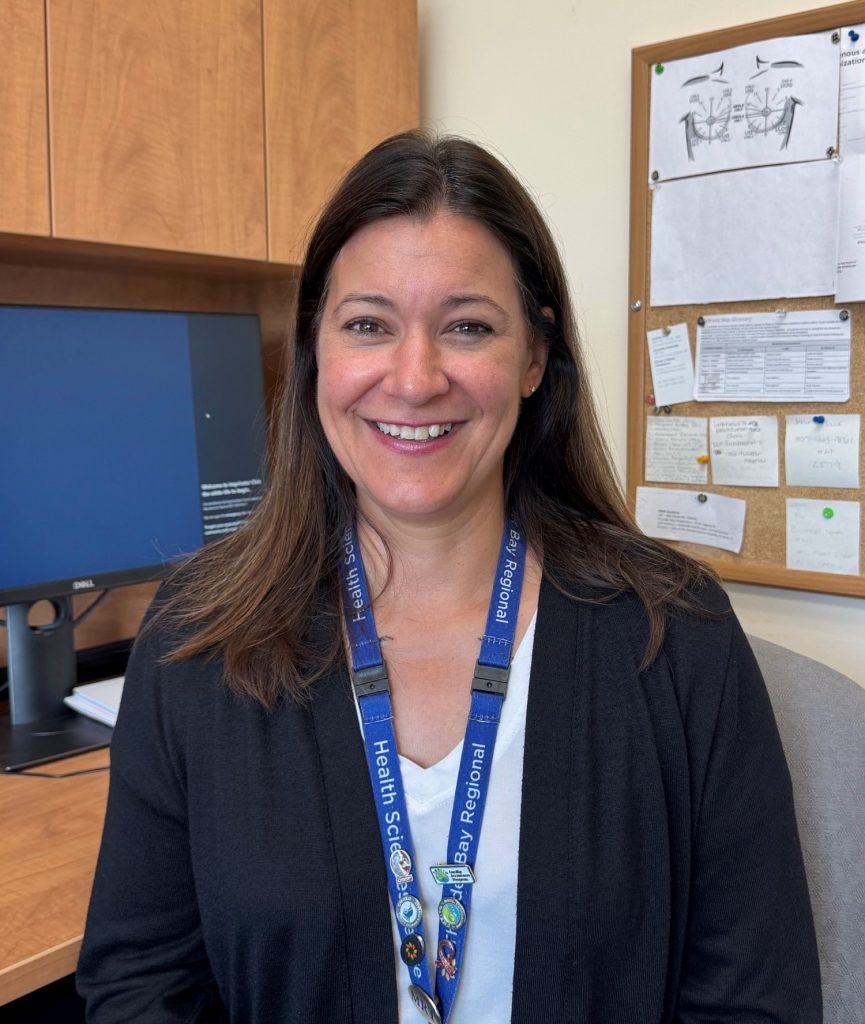 Andrea Ruel, Breast Patient Navigator and Medical Radiation Technologist (MRT) at Thunder Bay Regional Health Sciences Centre.
For many people, the mammogram itself is only one part of breast screening. Waiting for results, or getting a call saying more testing is needed, can bring a new set of questions.
Andrea Ruel is a Breast Patient Navigator and Medical Radiation Technologist specializing in mammography at Thunder Bay Regional Health Sciences Centre (TBRHSC). As part of the breast assessment team, she helps patients across Northwestern Ontario move from screening to follow-up testing when needed.
Here are five common questions patients have about what happens after a breast screening mammogram.
How will I get my mammogram results?
AR: If your screening mammogram through the Ontario Breast Screening Program (OBSP) is normal, you will receive a letter with your result and information about when you should be screened again. If you have a primary care provider, they will also receive your result.
If something on your mammogram needs a closer look, your screening site or health care provider will contact you to arrange the next steps.
If you do not have a family doctor or nurse practitioner, that does not prevent you from receiving follow-up care. The OBSP will help ensure you are connected with a provider who can follow you through the assessment process.
I’ve been called back for more testing. Does this mean I have cancer?
AR: No.
An abnormal result simply means the radiologist saw something that needs to be looked at more closely before they can determine what it is. Additional imaging can provide more detailed information and help the care team decide whether any further assessment is needed.
Hearing that you need another test can understandably be worrying, but a callback is not automatically a cancer diagnosis.
What kinds of follow-up test might I need?
AR: The next step depends on what was seen on your original mammogram.
Some people may need additional mammogram images or a breast ultrasound. In other situations, a radiologist may recommend an MRI or a biopsy to get more information.
Breast Patient Navigators work closely with screening sites, radiologists and other members of the health care team to help coordinate these appointments and make sure patients receive timely follow-up.
Can I have an MRI instead of another mammogram?
AR: Mammography remains the standard test used for routine breast cancer screening. An MRI provides different information and does not simply replace a mammogram.
For people at average risk of breast cancer, MRI may be used as an additional diagnostic test when recommended by a radiologist. People who meet the criteria for Ontario’s High Risk Breast Screening Program may receive both a mammogram and breast MRI as part of their regular screening.
The tests recommended for you will depend on your individual risk and what your health care team needs to see.
If I live outside of Thunder Bay, will I have to travel for follow-up?
AR: Not necessarily.
Many follow-up tests are available at hospitals and imaging sites throughout Northwestern Ontario. However, depending on the type of assessment you need, you may be asked to come to the Linda Buchan Centre at TBRHSC or Lake of the Woods District Hospital in Kenora.
This Breast Cancer Awareness Month, consider booking your breast screening mammogram. Eligible people ages 40 to 74 at average risk can access breast screening through the Ontario Breast Screening Program without a referral from a doctor or nurse practitioner.
To learn more about breast cancer screening, eligibility, and screening locations in Northwestern Ontario, visit tbrhsc.net/breast-cancer-screening.